
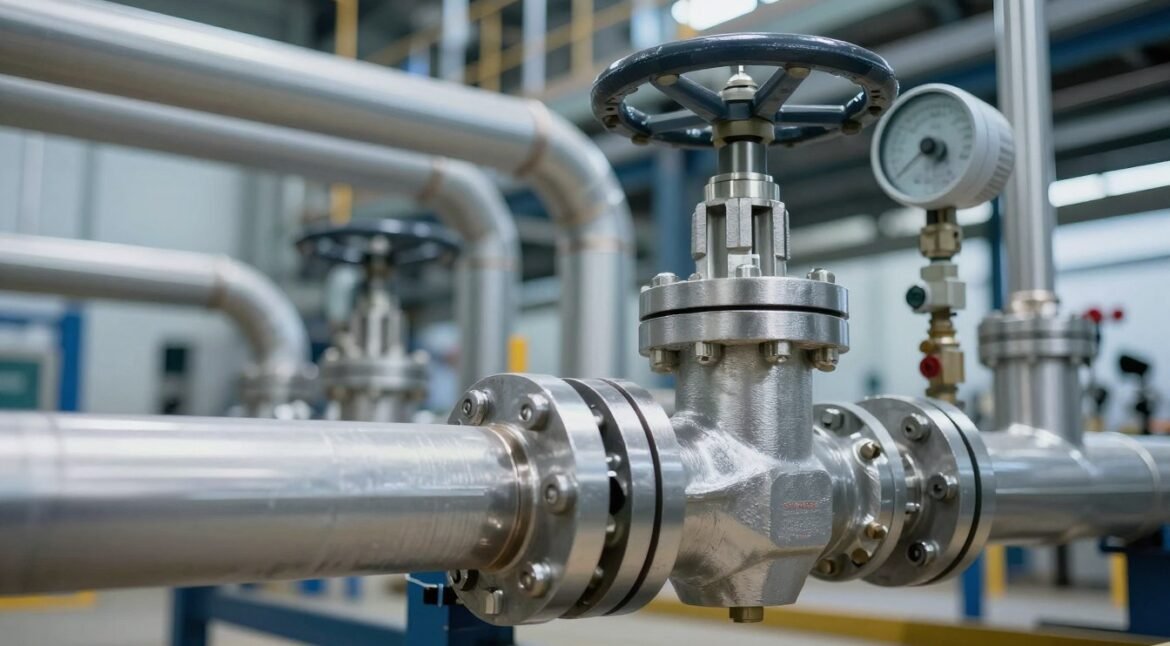
In the fast-paced world of American industrial operations, maintaining system integrity is a top priority. Engineers often face harsh environments where standard components simply cannot survive. This is where Duplex Steel Instrumentation Tube Fittings become essential for long-term success.
These high-performance parts provide the strength and corrosion resistance needed to keep complex fluid handling systems running smoothly. By choosing the right hardware, companies can prevent costly leaks and ensure worker safety across demanding sites.
Investing in quality components helps avoid the frequent maintenance cycles that plague many facilities. When you rely on Duplex Steel Instrumentation Tube Fittings, you are choosing a path toward greater operational efficiency. These tools are designed to withstand extreme pressure and temperature fluctuations, making them a smart choice for modern infrastructure.
Key Takeaways
- High resistance to corrosion in harsh chemical environments.
- Enhanced safety protocols for fluid handling systems.
- Reduced maintenance costs through superior material durability.
- Reliable performance under extreme pressure and temperature.
- Critical components for modern industrial infrastructure in the U.S.
Understanding the Composition of Duplex Steel
At the heart of high-performance piping systems lies the complex metallurgical structure of ferritic-austenitic steel. This advanced material is engineered to provide a unique balance of properties that traditional metals simply cannot match. By combining two distinct crystalline structures, manufacturers create a product that thrives in the most demanding industrial conditions.
The Synergy of Ferritic and Austenitic Microstructures
The primary strength of this alloy comes from its balanced 50/50 microstructure. The ferritic phase provides exceptional yield strength, while the austenitic phase contributes to high ductility and toughness. When these two phases work in tandem, they create a material that is both incredibly robust and surprisingly easy to shape.
This synergy allows the metal to resist cracking under pressure while maintaining structural integrity. It is this specific internal arrangement that makes these corrosion-resistant alloys a top choice for engineers across the United States. The result is a component that performs reliably even when exposed to extreme thermal cycling.
Why Duplex Steel Outperforms Standard Stainless Steel
When comparing stainless steel alternatives, duplex grades consistently rise to the top for high-stakes projects. Standard austenitic stainless steels often struggle with stress corrosion cracking in chloride-rich environments. In contrast, the duplex structure acts as a barrier, significantly slowing the progression of localized corrosion.
Furthermore, duplex steel offers nearly double the yield strength of standard 300-series stainless steel. This allows for the design of thinner, lighter components without sacrificing safety or performance. By choosing these corrosion-resistant alloys, facility managers can reduce material costs while simultaneously extending the service life of their instrumentation systems. It is clear why these stainless steel alternatives are becoming the new industry standard for critical infrastructure.
Key Advantages of Duplex Steel Instrumentation Tube Fittings
Choosing the right components for your industrial infrastructure is vital for long-term success. Duplex Steel Instrumentation Tube Fittings offer a unique blend of durability and efficiency for demanding environments. These parts are engineered to provide peace of mind when your operations face the toughest challenges.
Superior Corrosion Resistance in Harsh Environments
One of the primary benefits of these fittings is their ability to withstand aggressive chemical exposure. Unlike standard materials, they resist pitting and crevice corrosion even in salty or acidic conditions. This makes them an essential choice for facilities located near coastal areas or those handling volatile substances.
By maintaining structural integrity over time, these components reduce the need for frequent replacements. You can rely on them to keep your systems running smoothly without the constant threat of material degradation. This reliability is a cornerstone of modern, safe industrial design.
High Mechanical Strength and Pressure Ratings
The high mechanical strength of these fittings allows for the use of thinner wall tubing without compromising safety. This design choice helps optimize your high-pressure piping systems by reducing overall weight and material costs. You gain a more efficient setup that handles intense force with ease.
Engineers often prefer these fittings because they provide a higher safety margin under extreme stress. Whether you are managing gas or liquid flow, the performance remains consistent and stable. The following table highlights why these materials are a superior choice for your next project.
| Feature | Standard Stainless | Duplex Steel |
|---|---|---|
| Yield Strength | Moderate | High |
| Corrosion Resistance | Good | Excellent |
| Wall Thickness | Standard | Reduced |
| Pressure Capacity | Reliable | Superior |
Ultimately, integrating Duplex Steel Instrumentation Tube Fittings into your high-pressure piping network ensures that your infrastructure remains robust. By prioritizing quality materials, you protect your investment and ensure the safety of your entire team. These fittings represent a smart, long-term solution for any growing industrial operation.
Applications in the United States Industrial Sector
From the Gulf Coast to the Permian Basin, duplex steel fittings are becoming the standard for critical infrastructure. These components provide the durability needed to support complex industrial fluid systems across the country. By choosing high-quality hardware, operators ensure that their facilities remain productive and safe under extreme conditions.
Oil and Gas Extraction and Processing
The oil and gas sector demands materials that can handle high pressure and corrosive substances. Duplex steel is ideal for these environments because it resists chloride-induced stress corrosion cracking. This makes it a vital choice for offshore platforms and onshore refineries where equipment failure is not an option.
Engineers often prefer these fittings for their ability to maintain a tight seal during thermal cycling. When extraction processes involve harsh chemicals or high temperatures, the structural integrity of the connection remains stable. This reliability helps companies avoid costly downtime and environmental hazards.
Chemical and Petrochemical Manufacturing Facilities
Modern petrochemical infrastructure requires components that offer both strength and chemical resistance. In manufacturing plants, the transport of aggressive media through piping networks is a daily necessity. Duplex steel fittings provide the long-term performance required to manage these volatile processes safely.
By integrating these advanced materials, facility managers can extend the service life of their systems. This proactive approach reduces the frequency of maintenance cycles and lowers overall operational costs. The following table outlines the key requirements for these demanding industrial applications.
| Application Type | Primary Challenge | Key Benefit |
|---|---|---|
| Offshore Drilling | Saltwater Corrosion | High Pitting Resistance |
| Refinery Processing | High Pressure/Heat | Mechanical Strength |
| Chemical Synthesis | Aggressive Media | Chemical Stability |
| Gas Distribution | Leak Prevention | Reliable Sealing |
Technical Specifications and Standards for Reliable Performance
When designing high-pressure piping systems, the foundation of safety lies in following rigorous engineering protocols. These guidelines ensure that every component functions correctly under extreme conditions. By prioritizing standardized parts, engineers can prevent catastrophic failures and maintain operational continuity.
Adherence to ASTM and ASME Standards
Industry leaders rely on specific benchmarks to verify the quality of their materials. For duplex steel fittings, ASTM A182 serves as the primary standard for forged or rolled alloy-steel pipe flanges and fittings. This specification guarantees that the material possesses the necessary chemical composition and mechanical properties for demanding applications.
Furthermore, the ASME B31.3 code provides the essential requirements for process piping. Compliance with this code is non-negotiable in the United States, as it dictates the design, materials, and fabrication methods for safe system operation. Following these rules helps organizations achieve the following:
- Enhanced structural integrity under thermal stress.
- Consistent material traceability throughout the supply chain.
- Reduced risk of leakage in volatile chemical environments.
Understanding Pressure and Temperature Ratings
Selecting the right fitting requires a thorough analysis of the operating environment. Engineers must perform precise pressure rating calculations to ensure that the hardware can withstand the specific forces applied during daily use. These calculations account for the interaction between internal pressure and ambient temperature fluctuations.
It is vital to remember that a fitting’s capacity often decreases as temperatures rise. Always consult the manufacturer’s derating charts to verify that your components remain within safe limits. By integrating these technical checks into your procurement process, you ensure that your infrastructure remains both resilient and compliant with modern safety expectations.
Selecting the Right Duplex Steel Instrumentation Tube Fittings
When building a robust industrial system, the precision of your hardware choices determines the overall reliability of your infrastructure. Selecting the correct Duplex Steel Instrumentation Tube Fittings requires a careful evaluation of both the physical geometry and the specific connection types needed for your system. By focusing on these technical details, you can ensure a leak-free environment that stands the test of time.
Evaluating Fitting Geometry and Connection Types
The physical design of your fittings plays a vital role in how well they integrate into your existing piping layout. You must consider whether your system requires standard compression ends, NPT threads, or specialized flange connections. Proper geometry ensures that the seal remains tight under varying pressure cycles.
Engineers often prioritize ease of maintenance when selecting these components. Choosing a design that allows for quick disassembly without compromising the integrity of the tubing is a smart strategy. The following table outlines common connection types and their primary applications in the field.
| Connection Type | Primary Benefit | Ideal Application |
|---|---|---|
| Double Ferrule | High Vibration Resistance | Oil and Gas Pipelines |
| NPT Threaded | Ease of Installation | General Instrumentation |
| Butt Weld | Permanent Seal | High-Pressure Systems |
Matching Materials to Process Media Requirements
Matching your Duplex Steel Instrumentation Tube Fittings to the specific process media is essential to prevent premature degradation. While duplex steel offers excellent resistance to chloride-induced stress corrosion, you must still verify that the specific grade aligns with the chemical concentration of your fluids. Ignoring these compatibility requirements can lead to costly system failures.
“The longevity of any instrumentation system is directly proportional to the care taken during the initial material selection phase. Always prioritize chemical compatibility over short-term cost savings.”
When you evaluate your options, consider the temperature ranges and the presence of aggressive agents like hydrogen sulfide. Using high-quality Duplex Steel Instrumentation Tube Fittings ensures that your facility remains safe and productive. Always consult the manufacturer’s technical data sheets to confirm that the alloy grade is suitable for your specific operational environment.
Installation Best Practices for Leak-Free Systems
Achieving a reliable seal in industrial fluid systems starts long before you turn the final wrench. While duplex steel is incredibly durable, its performance relies heavily on the precision of the assembly process. By following standardized procedures, you ensure that your infrastructure remains secure under high pressure.
Proper Tube Preparation and Cutting Techniques
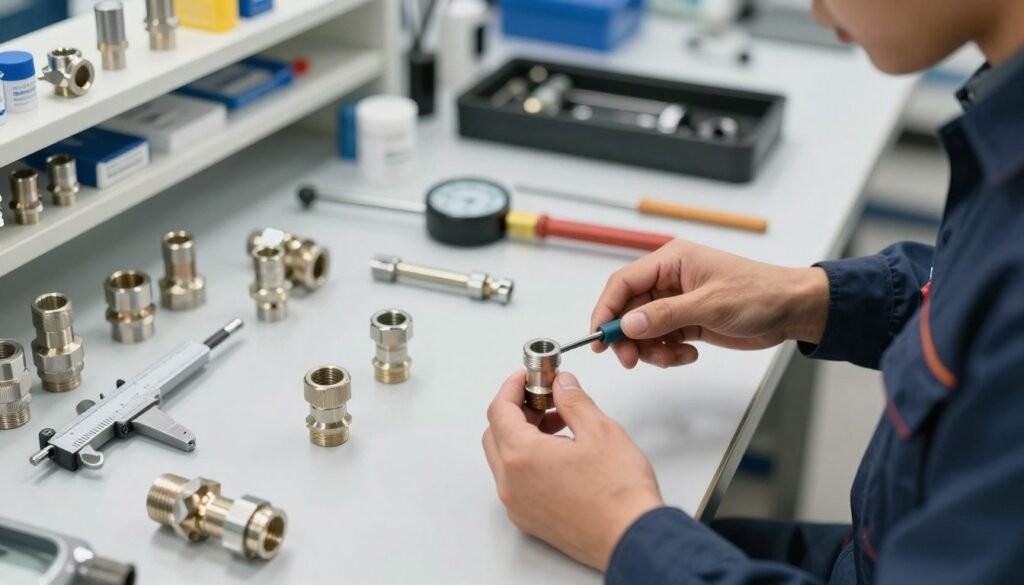
The journey to a perfect seal begins with the quality of the tube end. You must use a sharp, high-quality tube cutter to ensure a square, burr-free cut. Rough edges or angled cuts can prevent the fitting from seating correctly, which often leads to premature failure.
After cutting, always deburr the inside and outside of the tube end. Use a fine-tooth file or a dedicated deburring tool to smooth the surface. Finally, wipe the tube clean with a lint-free cloth to remove any metal shavings or debris that could compromise the seal.
The Importance of Correct Swaging and Tightening
Once the tube is prepared, the tube fitting installation process requires careful attention to swaging. Swaging effectively bites the ferrule into the tube wall, creating a mechanical grip that resists vibration and pressure. Always verify that the tube is fully bottomed in the fitting body before you begin tightening the nut.
Avoid the common mistake of over-tightening, which can deform the ferrules and weaken the connection. Use a gap inspection gauge to confirm that the fitting has been tightened to the manufacturer’s specifications. Following these steps consistently will help you achieve leak-proof connections that stand the test of time.
| Action | Recommended Practice | Common Mistake |
|---|---|---|
| Tube Cutting | Use a sharp, dedicated cutter | Using a hacksaw |
| Deburring | Smooth all sharp edges | Leaving metal shavings |
| Tightening | Use a gap gauge | Guessing by feel |
| Inspection | Check for alignment | Forcing misaligned tubes |
Maintenance Strategies for Long-Term Reliability
Consistent care is the secret to avoiding unexpected downtime in complex industrial environments. By adopting a proactive mindset, you ensure that your high-pressure piping remains safe and efficient for years to come. Developing a structured plan helps your team catch minor issues before they turn into expensive repairs.
Routine Inspection Protocols for High-Pressure Systems
Establishing a regular schedule is the foundation of any successful maintenance program. You should perform visual checks on all high-pressure piping connections at least once a month to ensure everything remains secure. Documenting these inspections allows you to track performance trends over time.
Your maintenance team should follow a standardized checklist to maintain consistency across the facility. This approach minimizes human error and ensures that no critical component is overlooked during routine rounds. Consider the following essential steps for your inspection routine:
- Verify that all connection nuts are tightened to the manufacturer’s specified torque.
- Check for any signs of vibration that could loosen fittings over time.
- Review pressure gauge readings to ensure they stay within the expected operating range.
- Confirm that support brackets are properly aligned and holding the weight of the lines.
Identifying Signs of Wear and Corrosion Early
Early detection is vital when working with high-pressure piping in demanding industrial settings. Even the most durable materials can show signs of stress if they are exposed to harsh chemicals or extreme temperatures for long periods. Training your staff to spot these indicators early can save your company significant time and money.
Look closely for discoloration or pitting on the surface of the metal, as these are often the first signs of chemical attack. You should also listen for subtle hissing sounds, which frequently indicate a microscopic leak that is not yet visible to the naked eye. If you notice any moisture or residue near a joint, investigate the source immediately to prevent a larger failure.
“An ounce of prevention is worth a pound of cure when managing critical infrastructure.”
By staying vigilant and performing these simple checks, you protect your equipment and your workforce. Remember that consistent maintenance is not just a chore; it is a smart investment in the future of your operations.
Duplex Steel Instrumentation Tube Fittings in Corrosive Environments
Operating in demanding industrial landscapes requires components that can withstand constant exposure to aggressive elements. Duplex Steel Instrumentation Tube Fittings provide the necessary durability for facilities where traditional stainless steel might fail prematurely. These corrosion-resistant alloys are specifically designed to maintain structural integrity under extreme pressure and chemical stress.
Mitigating Stress Corrosion Cracking
Stress corrosion cracking remains a primary concern for engineers managing high-pressure fluid systems. This phenomenon occurs when tensile stress combines with a corrosive environment, leading to unexpected material failure. By utilizing a balanced microstructure, these fittings effectively resist the initiation and propagation of cracks.
“The selection of advanced metallurgical solutions is the single most effective strategy for preventing catastrophic system failure in volatile processing environments.”
Engineers often rely on these components because they offer a higher yield strength compared to standard austenitic grades. This added strength ensures that the connection remains secure even when subjected to thermal cycling or mechanical vibration. The inherent resistance of the material helps maintain a leak-free environment, which is vital for safety and operational efficiency.
Performance in Chloride-Rich Conditions
Coastal facilities and chemical plants frequently deal with high concentrations of chlorides, which accelerate the degradation of standard metals. Chloride stress corrosion can compromise the safety of an entire facility if the wrong materials are installed. Fortunately, the unique chemical composition of duplex steel provides a superior barrier against these harsh conditions.
The following table highlights why these fittings are preferred in high-chloride environments compared to traditional options:
| Material Type | Chloride Resistance | Mechanical Strength | Cost-Effectiveness |
|---|---|---|---|
| Standard 316 SS | Low | Moderate | High |
| Duplex Steel | High | Excellent | Balanced |
| Super Duplex | Very High | Superior | Premium |
By choosing Duplex Steel Instrumentation Tube Fittings, operators can significantly reduce maintenance intervals and replacement costs. These corrosion-resistant alloys are engineered to thrive where others fail, ensuring that your critical infrastructure remains protected against chloride stress corrosion for years to come.
Safety Considerations and Risk Mitigation
When managing high-pressure infrastructure, safety is not just a goal; it is a fundamental requirement for operational success. Every component within a fluid system plays a vital role in maintaining the integrity of the entire facility. By focusing on high-quality hardware, operators can significantly reduce the likelihood of accidents and costly downtime.
Preventing System Failures in Critical Infrastructure
System failures often stem from minor oversights in component selection or installation. Adhering to ASME B31.3 guidelines is essential for ensuring that piping systems can withstand the rigorous demands of modern industrial applications. These industrial safety standards provide a clear framework for design, materials, and testing.
Implementing leak-proof connections is the most effective way to prevent hazardous releases in volatile environments. When fittings are engineered to meet strict pressure and temperature ratings, the risk of catastrophic failure drops dramatically. Consider these key benefits of prioritizing high-grade components:
- Reduced risk of environmental contamination from leaks.
- Enhanced structural stability under extreme pressure cycles.
- Longer service life for critical instrumentation lines.
- Compliance with federal and state safety regulations.
Ensuring Operator Safety Through Quality Components
The human element remains the most important factor in any industrial setting. Providing your team with reliable, high-performance fittings ensures that they can perform their duties without the constant threat of equipment malfunction. Investing in quality is an investment in the people who keep your facility running.
“Safety is not a gadget but a state of mind. When we choose the right components, we build a culture where every worker feels protected and valued.”
By integrating ASME B31.3 compliant parts, you demonstrate a commitment to excellence that goes beyond simple compliance. Utilizing leak-proof connections minimizes the need for frequent maintenance, which in turn limits the exposure of personnel to potentially dangerous process media. Ultimately, following established industrial safety standards creates a predictable and secure working environment for everyone on-site.
Sourcing High-Quality Fittings in the US Market
Finding reliable Duplex Steel Instrumentation Tube Fittings in the US market requires a strategic approach to vendor selection. Your project success depends heavily on the quality and authenticity of the hardware you choose for your systems. By focusing on established partners, you can mitigate risks and ensure long-term operational efficiency.
Identifying Reputable Manufacturers and Suppliers
When searching for a supplier, prioritize companies with a proven track record in the American industrial sector. Look for manufacturers that offer comprehensive technical support and maintain local inventory to reduce lead times. Building a relationship with a reputable distributor often provides better access to engineering expertise and product documentation.
Always verify that your chosen supplier adheres to strict quality management systems. A reliable partner will be transparent about their manufacturing processes and quality control measures. This transparency is a strong indicator of their commitment to delivering high-performance components that meet your specific site requirements.
Verifying Material Certification and Traceability
Ensuring material traceability is non-negotiable when working with high-pressure systems. Every fitting should be accompanied by a Mill Test Report (MTR) that confirms the chemical and mechanical properties of the steel. You must verify that these documents align with industry standards such as ASTM A182 to guarantee the integrity of your installation.
Check that the heat number is clearly marked on the fitting itself. This physical marking allows you to cross-reference the component with its original certification paperwork at any time. By maintaining rigorous documentation, you protect your facility from the dangers of counterfeit or substandard materials.
| Evaluation Criteria | High-Quality Supplier | Low-Quality Supplier |
|---|---|---|
| Certification | Full ASTM A182 compliance | Missing or vague documentation |
| Traceability | Heat numbers on all parts | No markings or tracking |
| Support | Technical engineering help | Sales-only focus |
| Reliability | Proven industry history | Unverified origins |
Conclusion
Choosing high-quality duplex steel fittings represents a smart move for your infrastructure. This strategic decision boosts the safety and efficiency of your entire operation. You gain peace of mind knowing your systems handle extreme pressure with ease.
Mastering the nuances of material selection and installation creates a foundation for long-term success. You protect your assets by prioritizing certified components from trusted manufacturers like Swagelok or Parker Hannifin. These choices minimize downtime and prevent costly repairs in the field.
Your commitment to quality standards keeps your facility running at peak performance. Reach out to your engineering team to review your current piping specifications today. Implementing these best practices ensures your systems remain robust for years to come.