
Choosing between duplex steel and 316L stainless steel tube fittings impacts project performance and budget. Both materials serve critical roles in demanding industrial environments.
This guide breaks down the key differences. You’ll understand strength characteristics, corrosion resistance, and real-world applications.
Making the right material choice prevents costly failures. Our comparison helps engineers and procurement professionals select fittings that match specific operational requirements.
Need Expert Material Guidance?
Our metallurgy specialists help you select the optimal tube fitting material for your application. Get a custom quote based on your exact specifications.
Material Composition Fundamentals
Understanding alloy composition explains performance differences. Both duplex stainless steel and austenitic stainless steel have distinct metallurgical structures.
Duplex Stainless Steel Composition
Duplex stainless steels contain approximately equal proportions of ferrite and austenite phases. This dual-phase structure provides unique properties.
Typical duplex grades include 22% chromium, 5% nickel, and 3% molybdenum. Super duplex variants contain higher chromium and molybdenum levels.
The balanced microstructure delivers higher strength than austenitic grades. Duplex steel achieves yield strength around 450-550 MPa.
SS 316L Stainless Steel Composition
The 316L grade represents low carbon austenitic stainless steel. Carbon content stays below 0.03% to prevent carbide precipitation.
Standard composition includes 16-18% chromium, 10-14% nickel, and 2-3% molybdenum. The “L” designation indicates low carbon content.
Austenitic structure provides excellent formability and weldability. Yield strength typically ranges from 170-310 MPa depending on cold working.
| Element | Duplex 2205 | Super Duplex 2507 | 316L Stainless |
| Chromium | 22% | 25% | 16-18% |
| Nickel | 5% | 7% | 10-14% |
| Molybdenum | 3% | 4% | 2-3% |
| Carbon | 0.03% max | 0.03% max | 0.03% max |
| Nitrogen | 0.14-0.20% | 0.24-0.32% | 0.10% max |
Mechanical Strength and Performance
Strength characteristics directly impact fitting selection for pressure applications. Duplex materials offer significant advantages in high-stress environments.
Tensile and Yield Strength
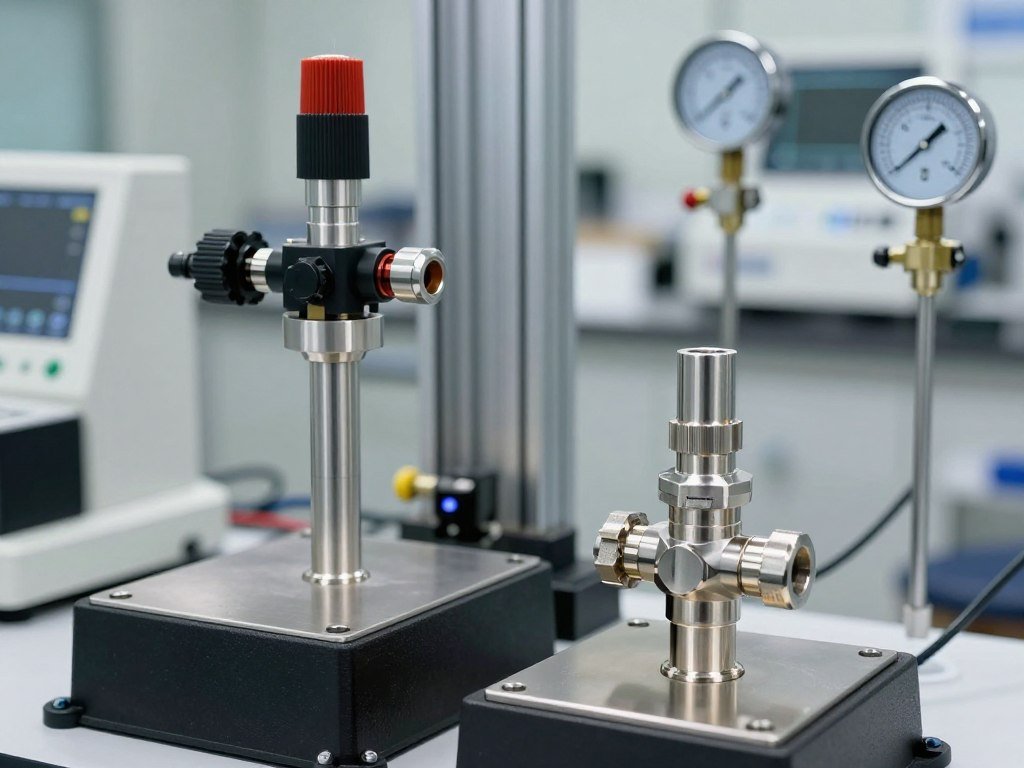
Duplex stainless steel demonstrates approximately twice the yield strength of 316L. This higher strength allows thinner wall sections in many applications.
Standard duplex steel achieves 450-550 MPa yield strength. Super duplex grades reach 550-750 MPa for extreme conditions.
The 316L material provides 170-310 MPa yield strength. Lower strength requires thicker walls to handle equivalent pressures.
Fatigue Resistance
Both materials perform well under cyclic loading. Duplex steel shows superior fatigue resistance in chloride environments.
The dual-phase microstructure in duplex steel resists crack propagation. This characteristic benefits applications with thermal cycling.
Austenitic 316L stainless maintains good fatigue properties at low temperatures. Material selection depends on specific service conditions.
Duplex Steel Advantages
Superior mechanical properties make duplex ideal for demanding applications:
- Double the yield strength of 316L
- Excellent stress corrosion cracking resistance
- Higher allowable working pressures
- Better fatigue performance in marine environments
- Reduced material thickness requirements
316L Stainless Advantages
Austenitic properties provide specific benefits:
- Superior low-temperature toughness
- Excellent formability for complex shapes
- Better weldability without heat treatment
- Non-magnetic properties when required
- Proven performance in cryogenic service
Corrosion Resistance in Different Environments
Environmental conditions determine which material performs optimally. Corrosion resistance varies significantly between duplex and austenitic stainless steels.
Chloride Environment Performance
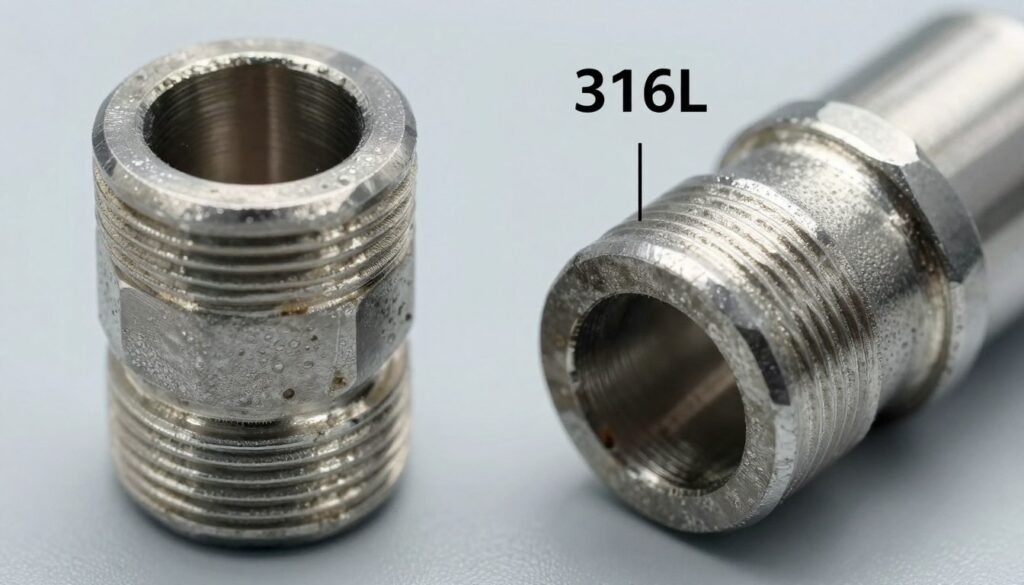
Duplex stainless steel excels in chloride-rich environments. The dual-phase structure provides superior pitting resistance.
Pitting resistance equivalent number (PREN) measures chloride resistance. Duplex 2205 achieves PREN values of 35-40.
Standard 316L stainless steel shows PREN around 24-26. This difference matters significantly in seawater applications.
Super duplex grades reach PREN values exceeding 40. These materials handle the most aggressive marine and chemical processing environments.
General Corrosion Resistance
Both materials resist general corrosion in many media. Chromium content provides passive film protection.
The 316L grade performs excellently in mild acids and food processing. Austenitic structure maintains corrosion resistance across temperature ranges.
Duplex steel handles stronger oxidizing acids and alkaline solutions. Higher chromium levels enhance overall corrosion protection.
Stress Corrosion Cracking
Stress corrosion cracking (SCC) poses risks in chloride environments under tensile stress. Material selection critically impacts service life.
Duplex stainless steels demonstrate superior SCC resistance. The ferrite phase interrupts crack propagation paths.
Austenitic 316L remains susceptible to chloride SCC above 60°C. Temperature and stress levels require careful consideration.
| Environment Type | Duplex 2205 | Super Duplex 2507 | 316L Stainless |
| Seawater | Excellent | Exceptional | Good |
| Chloride Solutions | Excellent | Exceptional | Moderate |
| Organic Acids | Good | Very Good | Excellent |
| Alkaline Media | Very Good | Excellent | Good |
| SCC Resistance | Excellent | Exceptional | Limited |
Temperature Service Ranges and Limitations
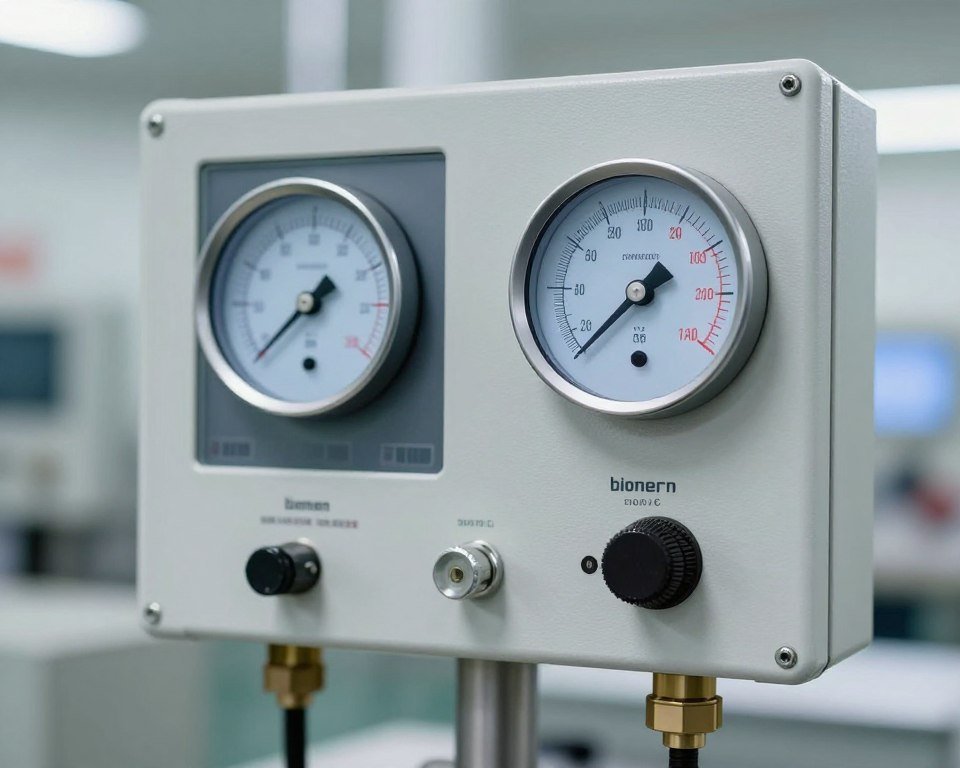
Operating temperature affects material selection decisions. Both alloy families have specific temperature windows for optimal performance.
High Temperature Performance
Duplex stainless steels perform well up to approximately 300°C (572°F). Higher temperatures risk sigma phase formation.
Extended exposure above 300°C reduces toughness and corrosion resistance. Application temperatures require careful monitoring.
The 316L stainless steel handles continuous service up to 425°C (800°F). Austenitic structure remains stable at elevated temperatures.
For high-temperature applications above 300°C, austenitic stainless steels offer advantages. Chemical processing often operates in this range.
Low Temperature Capabilities
Low-temperature service favors austenitic materials. The 316L stainless maintains toughness at cryogenic temperatures.
Austenitic stainless steel serves reliably down to -196°C. LNG facilities and cryogenic systems commonly specify 316L.
Duplex steel experiences ductile-to-brittle transition around -50°C. Low temperatures limit duplex applications in cold climates.
Super duplex variants improve low-temperature toughness. However, austenitic grades remain superior for extreme cold.
Industrial Applications and Use Cases
Specific industries favor particular materials based on environmental demands. Understanding application profiles guides material selection.
Oil and Gas Industry
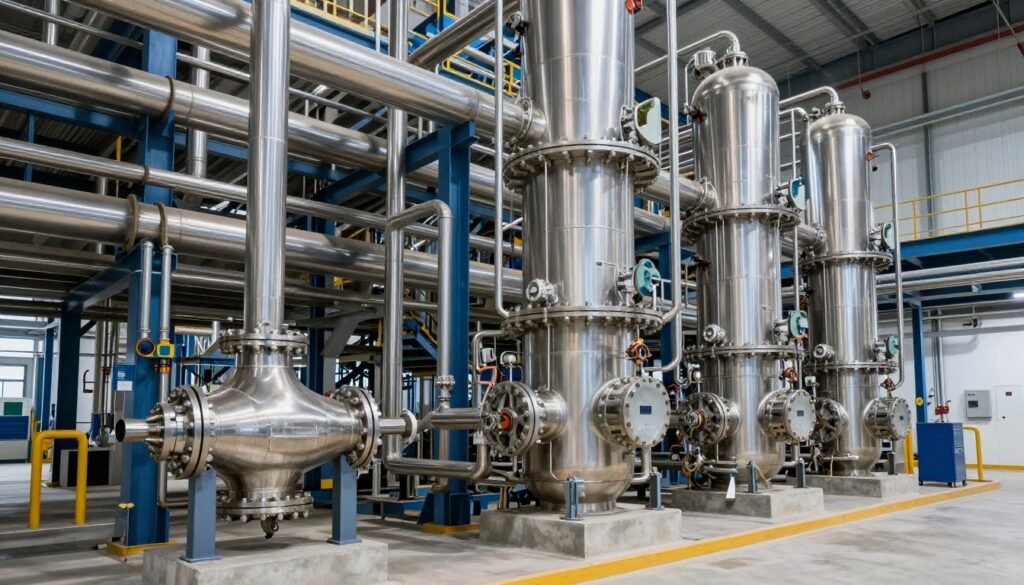
Offshore platforms extensively use duplex stainless steel. Seawater exposure and high chloride content demand superior corrosion resistance.
Subsea equipment and topside piping benefit from duplex strength. Reduced weight from thinner walls lowers installation costs.
The 316L material serves in less aggressive downstream applications. Refineries use it for moderate corrosion environments.
Chemical Processing
Chemical processing plants evaluate media compatibility carefully. Both duplex and 316L find specific niches.
Duplex steel handles chlorinated compounds and alkaline solutions. Pulp and paper mills frequently specify duplex materials.
The 316L grade excels with organic chemicals and pharmaceuticals. Food processing relies heavily on austenitic stainless.
Power Generation
Power generation applications span diverse conditions. Material selection depends on cooling water chemistry.
Coastal power plants using seawater cooling prefer duplex fittings. Corrosion resistance justifies the material premium.
Freshwater systems and steam applications use 316L stainless. Temperature capabilities and cost favor austenitic materials.
Marine and Desalination
Marine environments present the most aggressive corrosion challenges. Seawater composition demands careful material selection.
Desalination plants almost exclusively use duplex or super duplex. Concentrated brine environments exceed 316L capabilities.
Shipbuilding specifies duplex for critical seawater systems. Hull penetrations and cooling systems require maximum reliability.
Offshore & Marine
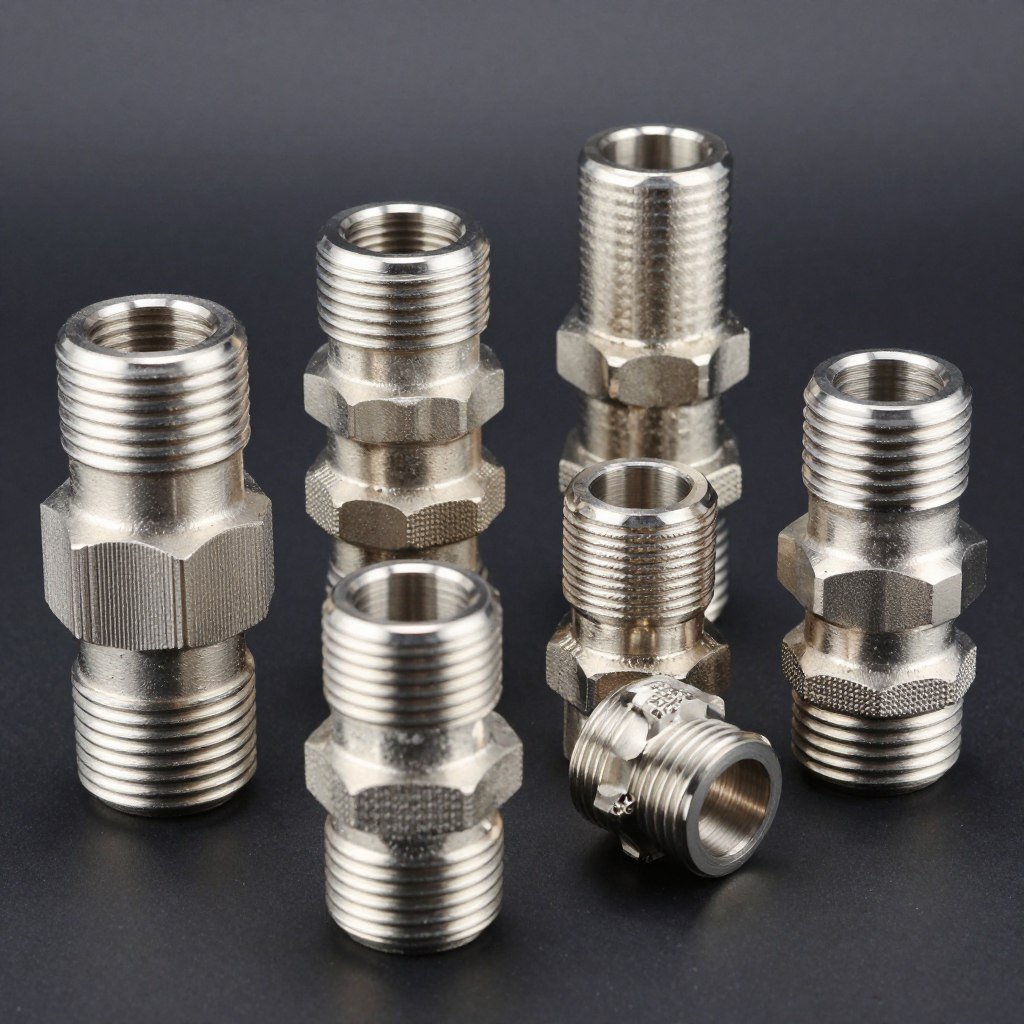
- Subsea manifolds and risers
- Platform topside piping
- Desalination plant equipment
- Ship cooling systems
Chemical & Pharma
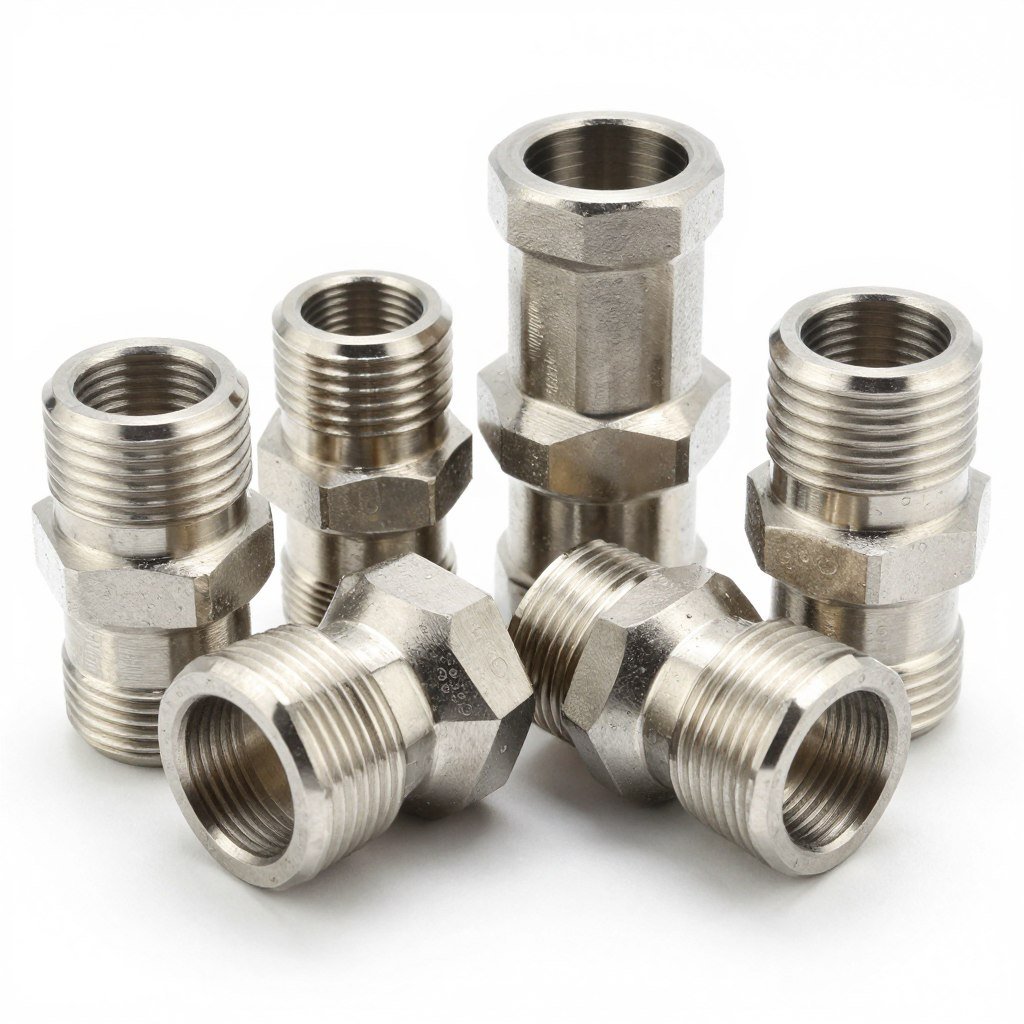
- Process piping systems
- Pharmaceutical equipment
- Food processing lines
- Clean steam applications
Power & Utilities
- Cooling water systems
- Flue gas desulfurization
- Wastewater treatment
- Steam condensate lines
Cost Analysis and Economic Factors
Material costs represent only part of total ownership expenses. Life-cycle analysis reveals true economic impact.
Initial Material Costs
Duplex stainless steel costs approximately 1.5-2 times more than 316L per pound. Higher alloy content drives raw material prices.
Super duplex grades cost even more due to increased chromium and molybdenum. Material availability also affects pricing.
The 316L stainless offers lower initial investment. Widespread availability keeps prices competitive.
Fabrication and Installation
Higher strength in duplex steel allows thinner walls. Reduced weight lowers transportation and installation costs.
Welding duplex requires more care than austenitic grades. Heat input control and nitrogen purging add complexity.
The 316L material machines and welds easily. Fabrication simplicity reduces labor costs.
Life-Cycle Economic Analysis
Longer service life often justifies higher duplex costs. Reduced maintenance and replacement frequency improve economics.
Duplex fittings in aggressive environments outlast 316L significantly. Extended intervals between shutdowns save operational costs.
Total cost of ownership favors duplex in corrosive service. Austenitic materials prove economical in milder conditions.
| Cost Factor | Duplex 2205 | 316L Stainless | Advantage |
| Raw Material | Higher (1.5-2x) | Lower (baseline) | 316L |
| Fabrication | Moderate (careful welding) | Lower (easy welding) | 316L |
| Wall Thickness | Thinner (high strength) | Thicker (lower strength) | Duplex |
| Service Life (corrosive) | Longer (superior resistance) | Shorter (limited resistance) | Duplex |
| Maintenance Frequency | Lower | Higher (corrosive service) | Duplex |
| Total Cost (20 years, seawater) | Lower | Higher | Duplex |
Fabrication and Welding Characteristics
Manufacturing requirements influence material selection. Fabrication complexity affects project timelines and costs.
Welding Requirements
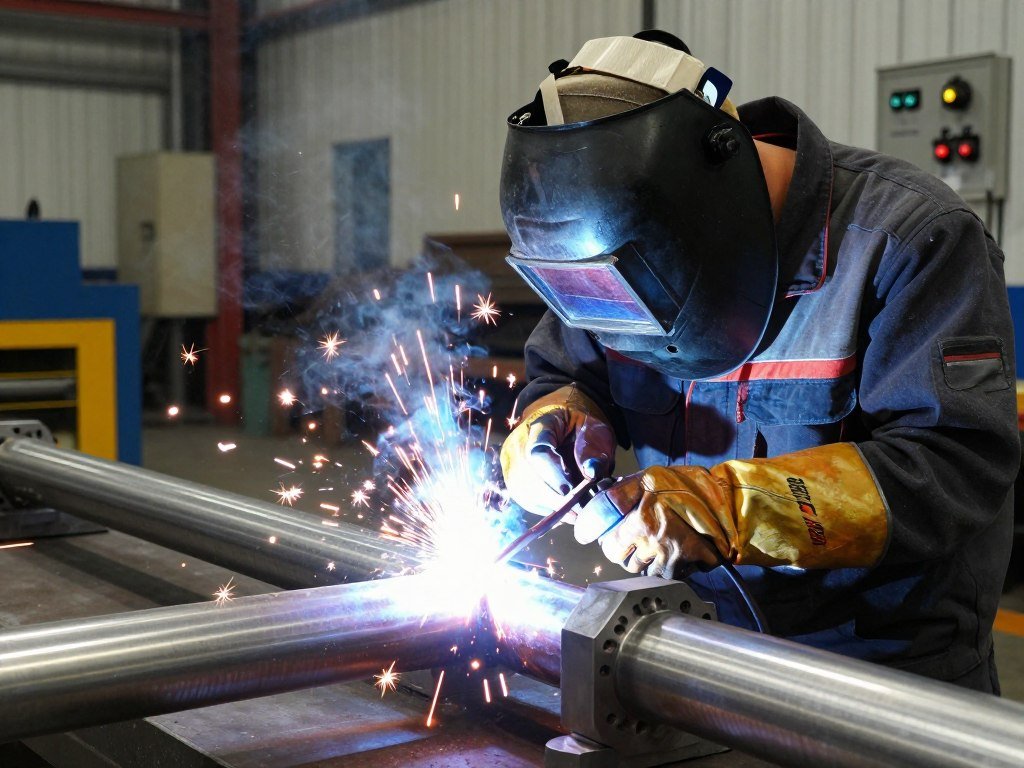
Duplex stainless steel demands precise welding parameters. Heat input must maintain phase balance.
Interpass temperatures should stay below 150°C for duplex. Nitrogen shielding gas helps preserve corrosion resistance.
The 316L material tolerates wider welding parameter ranges. Standard argon shielding provides adequate protection.
Post-weld heat treatment rarely applies to either material. Both maintain properties in as-welded condition for tube fittings.
Forming and Machining
Higher strength makes duplex more challenging to form. Greater forces and specialized tooling may be required.
Machining duplex generates higher tool wear. Cutting speeds and feeds need adjustment compared to austenitic grades.
The 316L stainless forms easily to complex shapes. Lower strength and good ductility simplify fabrication.
Material Selection Decision Framework
Systematic evaluation ensures optimal material choice. Multiple factors require consideration beyond simple cost comparison.
Choose Duplex Steel When:
- Chloride concentration exceeds 500 ppm
- Operating temperatures stay below 300°C
- High mechanical strength reduces system weight
- Stress corrosion cracking poses significant risk
- Long-term corrosion resistance justifies premium cost
- Seawater or brackish water contact occurs
Choose 316L Stainless When:
- Operating temperatures exceed 300°C
- Cryogenic service down to -196°C required
- Complex forming or extensive machining needed
- Non-magnetic properties are mandatory
- Mild corrosive environments allow standard grades
- Initial cost minimization is priority
Environmental Assessment Checklist
Evaluate these critical environmental factors before specifying materials:
- Maximum and minimum operating temperatures
- Chloride ion concentration in process media
- pH range of fluids contacting fittings
- Presence of oxidizing or reducing agents
- Stress levels and cyclic loading patterns
- Cleaning and maintenance chemical compatibility
Still Deciding Between Duplex and 316L?
Our material engineering team provides free application analysis. We’ll recommend the optimal tube fitting material for your specific conditions and budget.
Making the Right Material Choice
Both duplex steel and 316L stainless steel serve important roles in tube fitting applications. Neither material universally outperforms the other.
Duplex stainless steel excels in aggressive chloride environments. Superior strength and corrosion resistance justify higher costs in demanding service.
The 316L grade provides excellent performance in moderate conditions. Lower cost and easier fabrication benefit many applications.
Environmental conditions drive material selection. Temperature ranges, corrosion exposure, and mechanical loads determine the optimal choice.
Total cost of ownership considerations matter more than initial price. Longer service life from appropriate material selection prevents costly failures.
Consult with metallurgy experts when uncertainty exists. Professional guidance ensures specifications match actual operating conditions.