
In high-pressure industrial systems, fine-flow regulation and absolute fluid isolation are vital for operational safety. On upstream offshore oil platforms, subsea manifolds, and chemical injection skids, small instrumentation lines carry highly volatile fluids under severe structural stress.
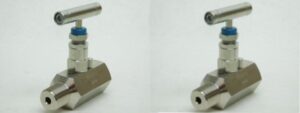
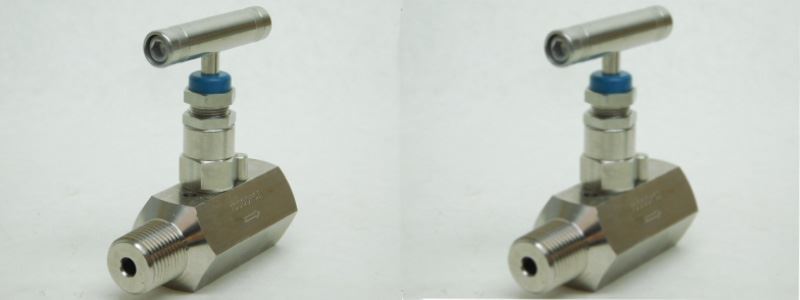
While quarter-turn ball valves work well for quick on/off isolation, systems requiring precise flow metering or safe gauge calibration demand needle valves. When these loops face aggressive, high-salinity environments, standard stainless steel components fail quickly due to rapid pitting or mechanical fatigue. Sourcing high-performance flow controls requires partnering with a certified duplex needle valve manufacturer who understands the demanding quality benchmarks required for severe-service environments.
The Hostile Environments Demanding Precision Needle Valves
Instrumentation loops in marine and heavy chemical applications subject fine-metering valves to a harsh combination of internal pressure and external chemical attack:
1. Upstream Offshore Oil & Gas Platforms
Offshore extraction systems process raw, untreated hydrocarbons right at the wellhead. These fluid streams often carry abrasive sand particle matrices, sour gas ($H_2S$), and high concentrations of chlorides at pressures exceeding 6,000 to 10,000 PSI. The underlying needle valves must possess immense yield strength to maintain tight mechanical seals while facing the corrosive elements of the open ocean.
2. Sea Water Reverse Osmosis (SWRO) Desalination Plants
Desalination plants pump highly concentrated seawater through high-pressure filtration grids. Seawater contains high chloride levels that become aggressively destructive when temperatures climb above 20°C. Standard steels quickly develop localized pitting along the tapered valve plug, destroying the tight tolerances required between the needle tip and the internal valve seat.
The Science of Marine Defense: S32760 and the PREN > 40 Standard
To survive continuous exposure to warm, high-pressure seawater, severe-service isolation loops rely heavily on Super Duplex alloys, most notably UNS S32760.
Alloy Chemistry Balance (UNS S32760):
[ 25% Chromium ] + [ 7% Nickel ] + [ 4% Molybdenum ] + [ Copper & Tungsten Additions ]
Result: Balanced dual-phase structure with a guaranteed PREN > 40
An alloy’s ability to resist localized breakdown in high-salinity environments is determined by its Pitting Resistance Equivalent Number (PREN). The industry standard formula is calculated as follows:
$$PREN = \%Cr + 3.3(\%Mo) + 16(\%N)$$
For marine and desalinization infrastructure, international design codes strictly mandate that flow control components must maintain a PREN value greater than 40.
Featuring precise additions of copper and tungsten, certified super duplex S32760 instrumentation valves in India easily achieve a PREN range between 41 and 45. This unique chemistry provides full structural protection against localized pitting and stress corrosion cracking, keeping the internal mechanism smooth and functional over long operational life cycles.
The Technical Checklist: Auditing a Super Duplex Needle Valve Manufacturer
Super Duplex is an incredibly hard, work-hardening material that requires strict thermal processing and precision machining. When vetting a dedicated super duplex needle valve manufacturer, ensure their manufacturing line satisfies three critical controls:
1. Precision CNC Valve Stem Machining
Needle valves control flow using a fine-threaded stem and a tapered needle tip. If these components are machined incorrectly, the Super Duplex material will work-harden, causing thread galling or surface micro-cracks. A top-tier manufacturer utilizes high-end CNC machining centers to ensure perfect thread profiles and a smooth, unmarred needle tip for bubble-tight closure.
2. Complete Materials Integration
To prevent galvanic corrosion (which happens when two different metals touch in a conductive fluid), your valve components must match your surrounding piping infrastructure perfectly. Ensure your valve partner designs skids where your needle valves connect seamlessly with matching components from a verified super duplex high pressure pipe fittings supplier in India to maintain uniform material performance across the entire loop.
3. Verification of Technical Testing Standards
A reliable severe-service valve cannot ship based on visual inspection alone. Your supplier’s audit history must show strict adherence to:
- API 598: Hydrostatic and pneumatic shell and seat pressure testing to verify zero-leakage isolation.
- ASTM A923 Method C: Chemical testing to ensure the alloy is free of brittle intermetallic phases (like the sigma phase).
- Positive Material Identification (PMI): Rapid X-ray verification of every single valve body before shipment.
When specifying flow isolation systems for high-pressure marine, chemical, or desalinization networks, cutting corners on material quality introduces severe operational risks. Upgrading your instrumentation loops to certified Super Duplex UNS S32760 needle valves ensures your facility remains secure against structural pressure drops and catastrophic corrosion failures.
Fortify Your Severe-Service Flow Metering Loops
Eliminate operational downtime and safeguard your high-pressure pipelines. Partner with Samvay Global—India’s trusted super duplex needle valve manufacturer, delivering precision-machined, high-PREN super duplex S32760 instrumentation valves in India built for the world’s most demanding industries.
[Contact Our Valve Engineering Team to Request a Technical RFQ Today]